In this era where "technological iteration outpaces academic credential depreciation," professionals' learning objectives have shifted from "knowledge acquisition" to "efficient monetization." Traditional single-discipline courses either suffer from the dilemma of "instant obsolescence after completion" or face the challenge of "theory-practice disconnect." The recently hyped Borient Triple Elite Program—combining AI, Global Wealth Management, and International MBA Entrepreneurship—is redefining "cost-effectiveness in learning" —— through its innovative design logic. From time efficiency and cost control to practical application, it comprehensively breaks free from the constraints of traditional education.


Time advantage: complete the triple transition of "technology + business + resources" in one year
"Time is the most expensive cost" has become a core consideration for professionals when pursuing further education. Traditional master's programs, often spanning 2-3 years, frequently leave learners anxious about the "prolonged investment-return cycle". Borient's compact one-year master's certificate program effectively maximizes time efficiency through its streamlined design.
The program adopts a flexible "online + offline" model: Weekly live streams (Monday to Wednesday, 8:00 PM-10:00 PM) focus on core content —— interpreting trends at the International AI Summit, solidifying technical skills through Microsoft Engineer Certification, and addressing startup pain points via AI business developer roadmaps. Four monthly offline global self-study sessions provide in-depth exploration of wealth management and entrepreneurship courses, complemented by two-day practical training at the Global Wealth Management Summit per cycle. This creates an efficient closed-loop system combining "fragmented learning + concentrated practice". Such a design enables learners to balance work and study while achieving the transformation from "knowledge input" to "skill output" within 12 months.
More crucially, the program bridges the gap between graduation requirements and practical outcomes: Both full-time and online students can graduate by completing 90% of coursework and submitting a thesis (full-time students must additionally pass a final exam), effectively eliminating the time-consuming "redundant credit requirements" common in traditional education. As Professor Xu Songjiang, the program's R&D director, emphasized: "Our goal is to equip learners with' practical, effective, and user-friendly' core competencies in the shortest time possible, rather than piling up unrelated theoretical credits."
Behind this time advantage is the reconstruction of the "essence of learning" —— When the industry iteration speed is measured in quarters, the value of "quick mastery of core tools + real-time implementation" is far better than the lengthy label of academic system.


Cost advantage: from "high investment and high risk" to "low threshold and high return" precision control
When it comes to the cost of education, most people immediately think of tuition fees. However, the hidden "opportunity costs" and "return risks" are often more worthy of attention. The Borient curriculum has built a unique cost advantage through its dual design of "controllable explicit costs + amplified implicit returns".
In terms of explicit costs, the program offers a dual pricing structure: $60,000 for full-time programs and $30,000 for online courses. It also provides a 20% scholarship fund for outstanding full-time students to alleviate financial burdens. Even more appealingly, students enrolling in July-August 2025 can enjoy limited-time discounts that significantly reduce actual expenses, making premium educational resources more accessible to the general public.
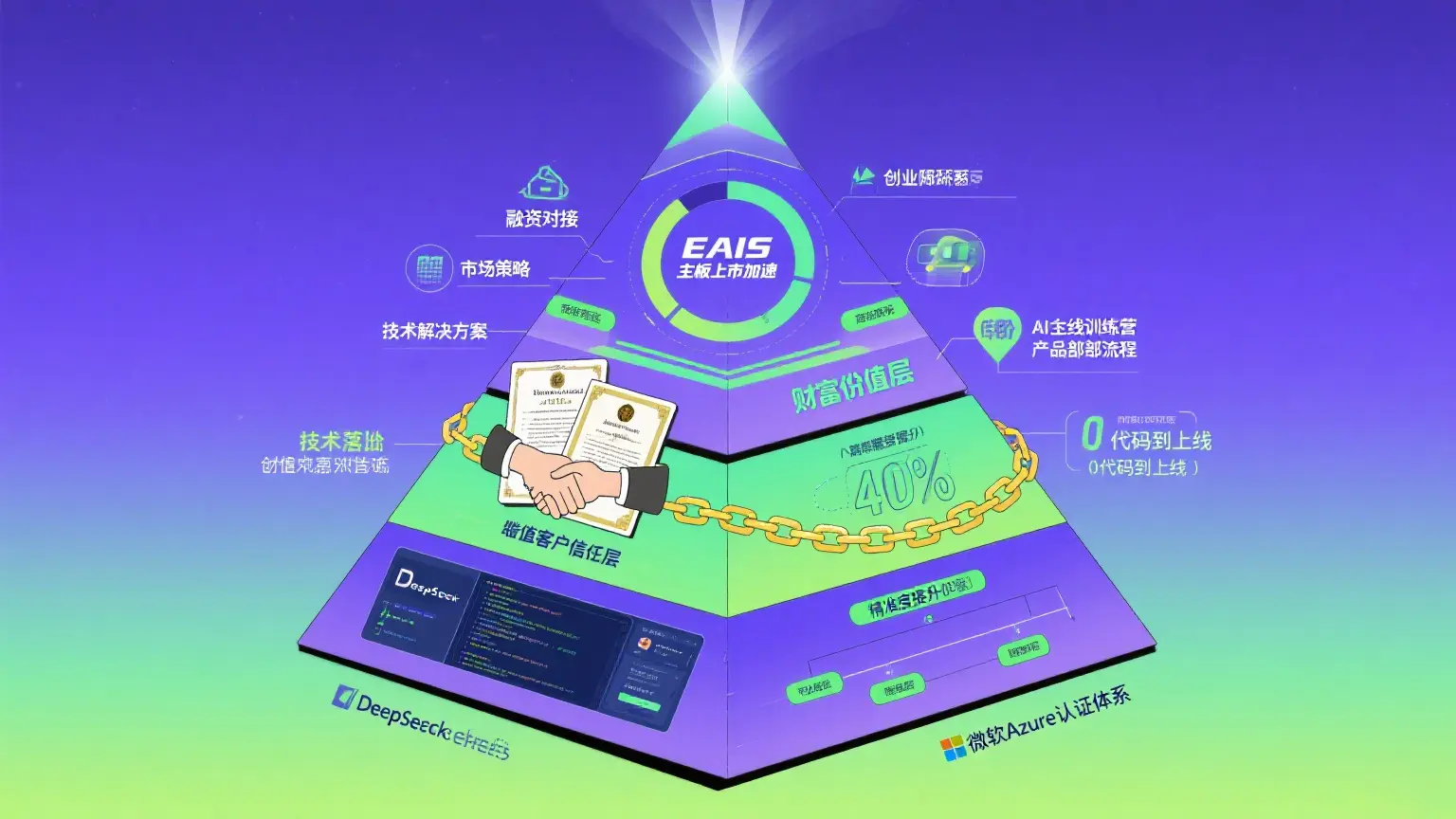
The optimization of hidden costs demonstrates groundbreaking progress. In traditional education, the notion of "useless knowledge after learning" represents the greatest hidden waste. Borient has minimized this risk through its practice-oriented design: Microsoft Azure certifications (from AI-900 Foundation to AI-102 Expert Level) align technical competencies directly with industry standards. The EAIS Entrepreneurship Eight-Stage System (from idea incubation to vision realization) ensures every step corresponds to real-world business scenarios. Courses like family office establishment and wealth management through inheritance trusts directly address high-net-worth client service demands. This "learn-to-use" approach means learners can instantly convert knowledge into workplace competitiveness or entrepreneurial success without incurring trial-and-error costs.
More noteworthy is its "resource exchange" value: The course connects the Southeast Asian venture capital circle with the customer pool of Greater China, and the live guidance every Wednesday directly connects with AI investors, so that learners can complete the "resource accumulation" during the learning period. This dual gain of "learning + resources" is essentially an excess compensation for time cost.
Application advantages: Build the ability ecology of "technology implementation + wealth appreciation + entrepreneurial closed loop"
The most pressing issue with traditional courses is the "disconnection between learning and application" —— AI courses focus solely on coding without explaining real-world business scenarios, finance courses get bogged down in theory without teaching technical tools, and entrepreneurship courses merely talk about models without practical resources. Borient's core strength lies in weaving these three domains into an "interdependent closed loop" that enhances each other's capabilities.
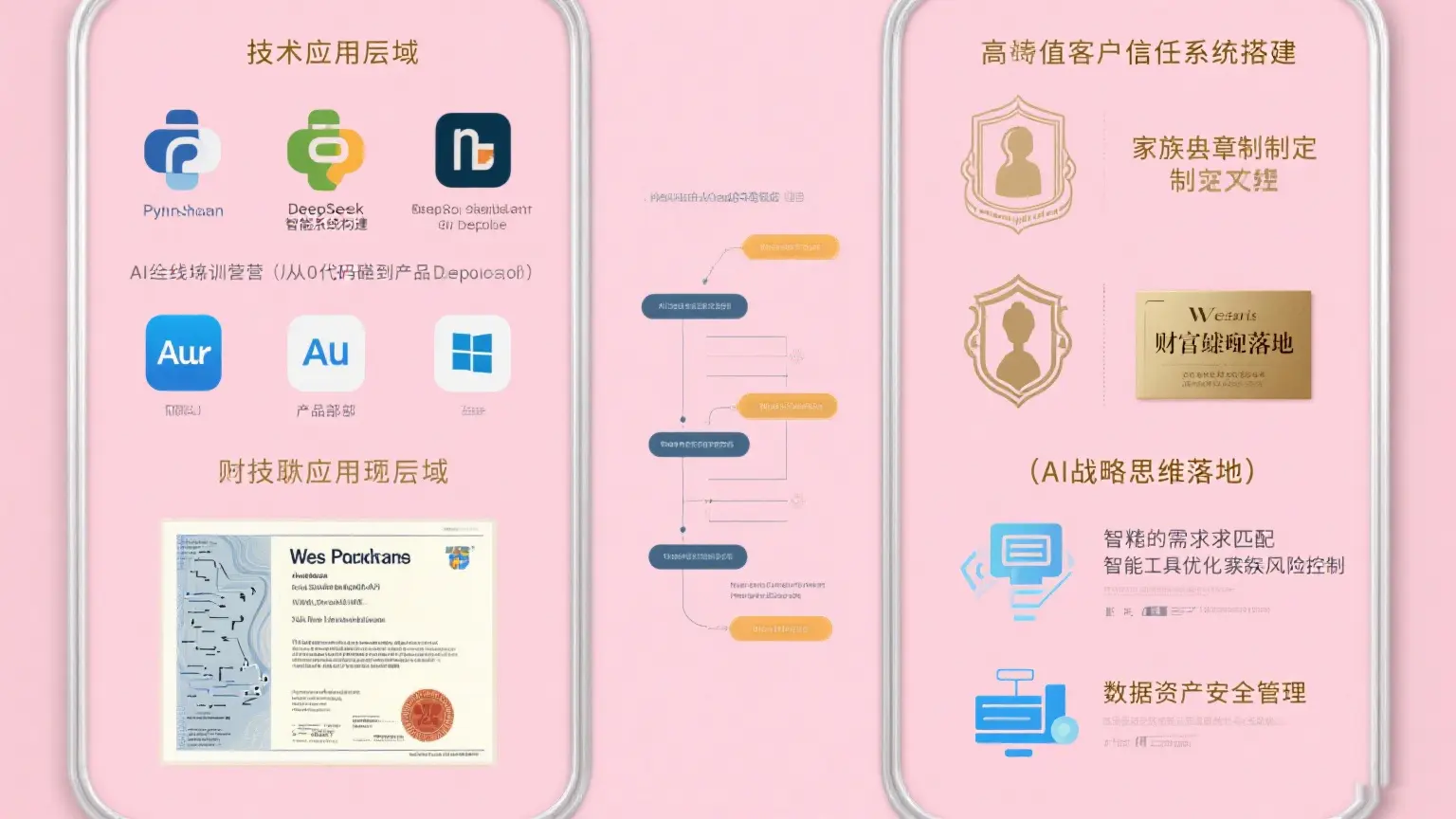
In practical application, the curriculum rejects "armchair theorizing". From Python programming and DeepSeek intelligent system development to comprehensive AI training camps (from zero-code to product deployment), each technical module is backed by Microsoft Azure's authoritative certifications. Learners not only master cutting-edge tools like "AI agents (LangChain+LLM) for business process optimization", but also gain direct access to the tech job market or empower startup projects through these certifications.
The wealth management sector has achieved a seamless integration of "traditional wisdom + AI tools". The curriculum not only covers "soft skills" such as building trust systems for high-net-worth clients and formulating family charters, but also equips learners with technical methods to enhance wealth management efficiency through practical applications like "implementing AI-driven strategic thinking" and "data asset security management" ——. For instance, using AI to match precise client needs and smart tools to optimize risk control in family trusts. This blend of humanistic values and technological capabilities precisely addresses the core demands of today's wealth management industry.
The "practical combativeness" of the entrepreneurship module directly addresses pain points. The EAIS eight-stage entrepreneurship framework, designed from "inspiring passion" to "achieving vision", combines practical courses like "Grok/Gemini/LLaMA technical solutions" and "AI-enhanced global marketing". This transforms entrepreneurship beyond mere "business plan" stages. Themed Wednesday sessions feature financing proposal refinement, market strategy optimization, and investment matchmaking services that convert "learning scenarios" into "entrepreneurship incubation environments". As demonstrated by course cases, Professor Patrick Khor once guided a company through AI applications to go public on the main board in just 11 months. This "academic + practical" DNA has been deeply integrated into the curriculum design.
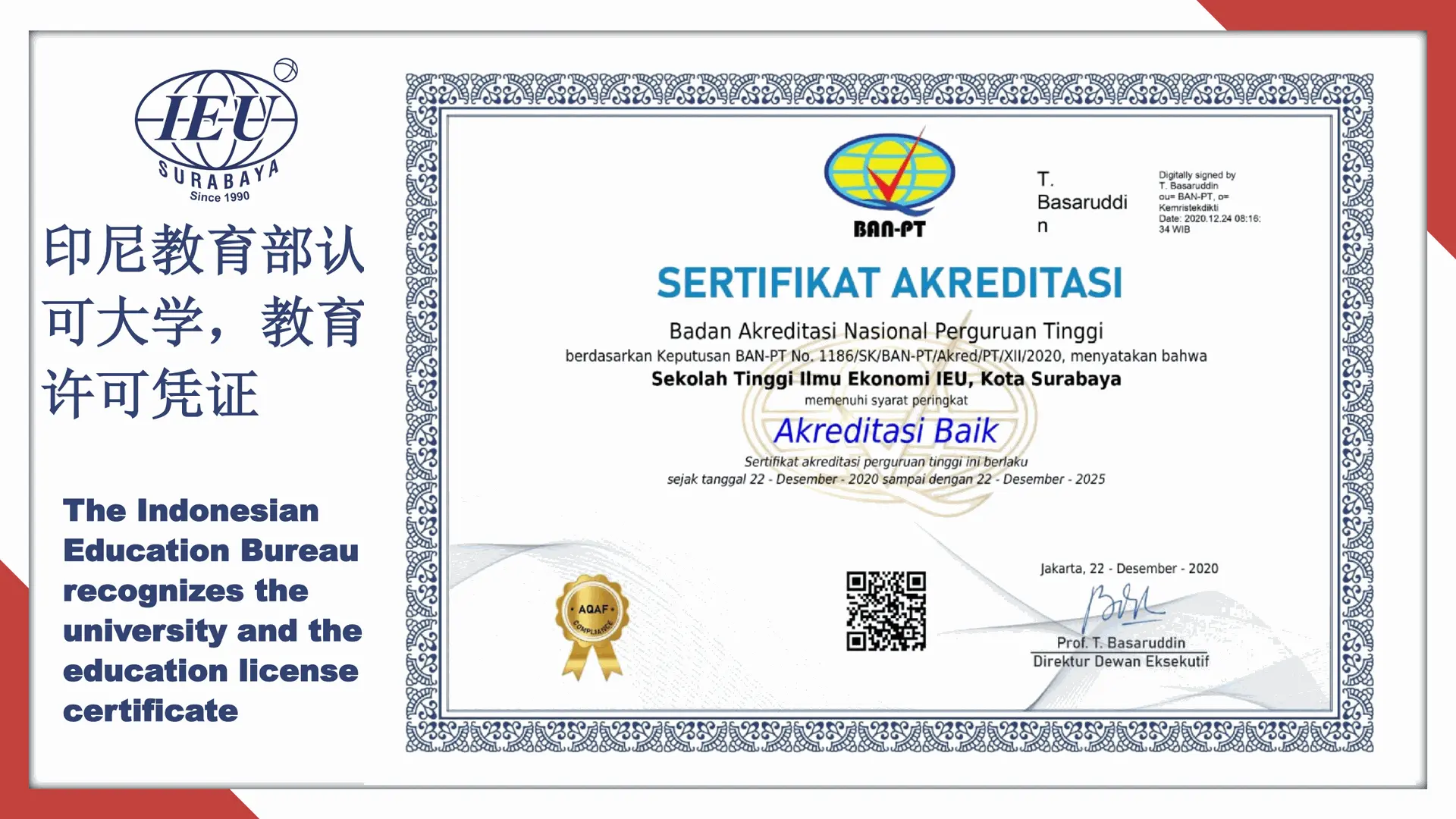
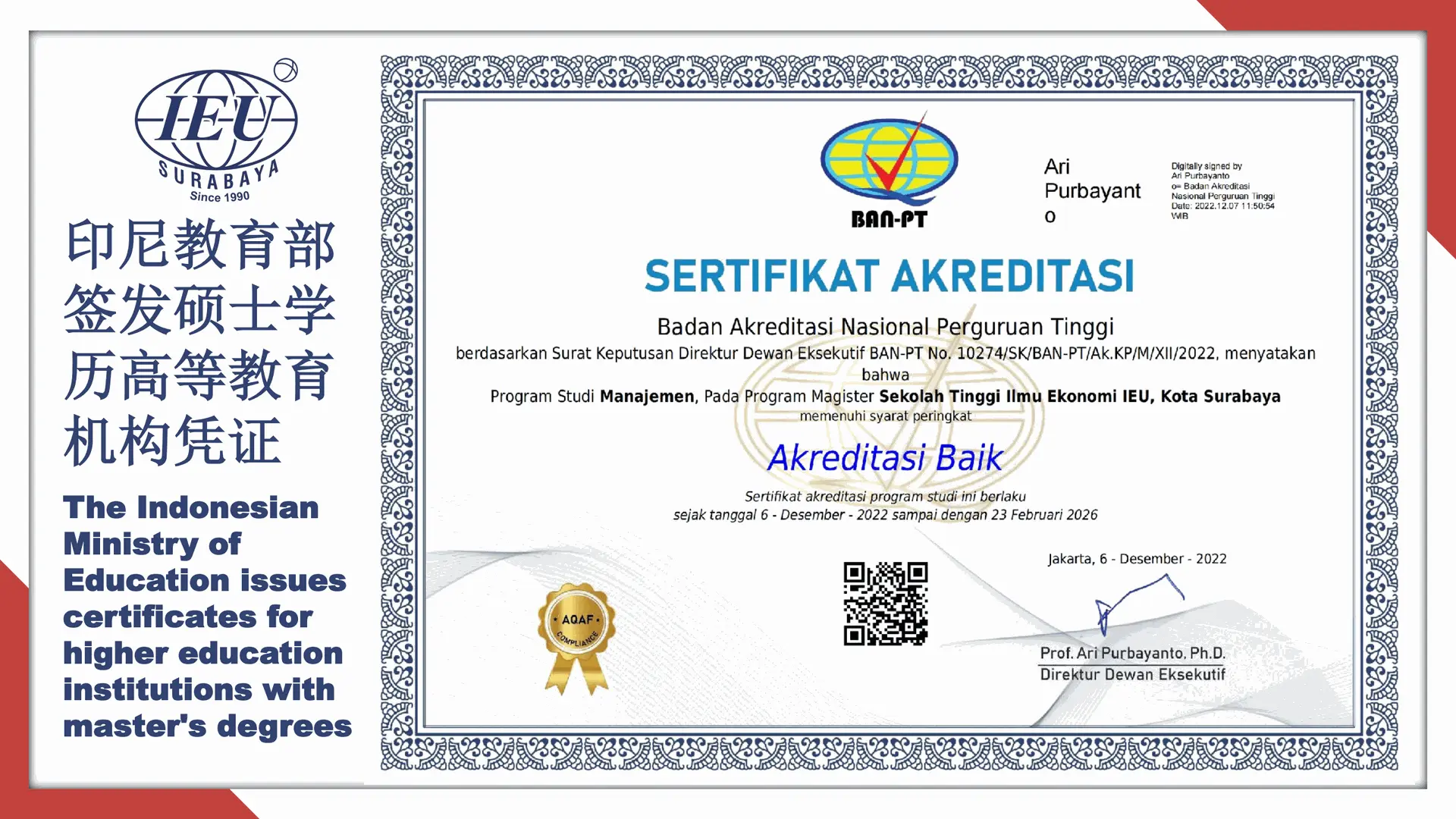
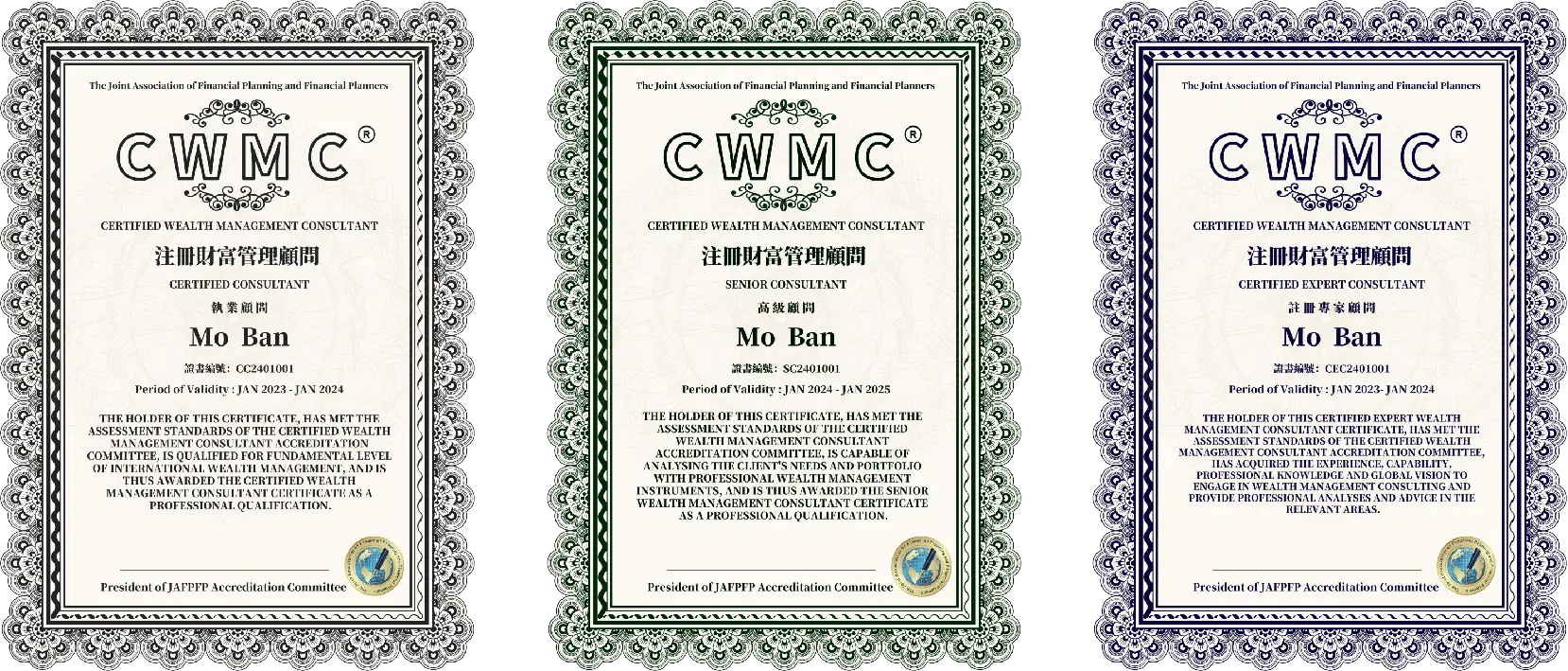
What makes it even more remarkable is its "dual certification endorsement": The AI Application Technology MBA certificate from Indonesia European University (with a 35-year history of education and ISO 9001:2008 IWA-2 international certification) and the CWMC Registered Wealth Management Consultant certification form a dual guarantee of "academic qualifications + professional certifications", providing solid support for learners' global workplace competitiveness.
Reconstruct learning value: grasp the "certain opportunity" in the trend wave
As AI reshapes industry landscapes, global wealth management demands surge, and startup ecosystems increasingly rely on technological empowerment, traditional single-domain expertise struggles to address complex challenges. The Borient Triple Elite Program's value lies in its mastery of the fundamental principle: "Technology serves as a tool, wealth represents the goal, and entrepreneurship drives the path." Through a year-long curriculum with controlled costs and practical design, it establishes a fast-track pathway for learners to transition from skill enhancement to value realization.
For career changers eager to transform, it serves as a springboard to "boost resumes with tech skills"; for global wealth managers expanding their reach, it acts as the key to "upgrading service capabilities through AI"; for aspiring entrepreneurs pursuing innovation, it functions as an incubator to "reduce trial-and-error costs and connect with resource networks". In this era of uncertainty, choosing a learning solution that simultaneously addresses "time efficiency, cost risks, and practical implementation" may well be the smartest move to seize future trends.
After all, true elite education is never about "consuming resources", but about "creating resources" ——Borient is making learning the most cost-effective "investment" rather than "expenditure" in his own way.
View:Borient Master's Program Admissions Brochure